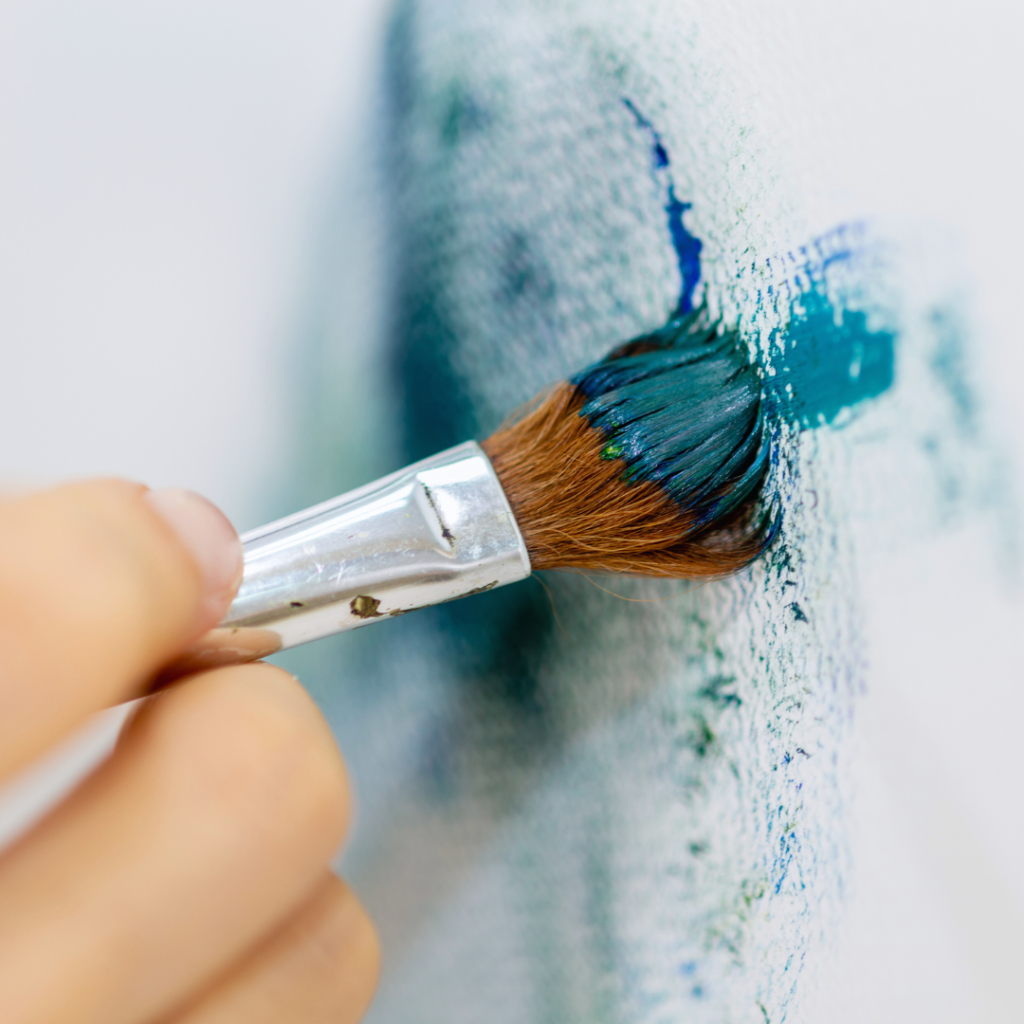
The Importance of Priming Your Canvas Before Painting: Ensuring Optimal Results and Longevity
Priming a canvas before painting is a crucial step that many artists overlook. By applying a primer, artists create a protective barrier that enhances paint adhesion and improves the overall vibrancy of colors. This preparation not only fosters a smoother painting experience but also extends the lifespan of the artwork.
A well-primed canvas can significantly influence the outcome of a piece. It prevents the paint from soaking into the fibers, which can alter color appearances and lead to uneven texture. Understanding the importance of this foundational step ensures that any artwork reaches its full potential.
Ultimately, taking the time to prime a canvas can transform the way an artist approaches their work. It offers a reliable surface, allowing creativity to flourish without the distractions of technical drawbacks. This simple act can be the difference between a fleeting image and a lasting masterpiece.
Fundamentals of Canvas Priming
Priming a canvas is a crucial step in preparing for painting. It impacts the paint’s adherence, appearance, and longevity. Understanding both the purpose of priming and the different types of primers is essential for any artist.
Purpose of Priming a Canvas
The primary function of priming is to create a barrier between the canvas and the paint. This barrier prevents the absorbent fibers of the canvas from drawing moisture from the paint, which can alter its texture and color.
Priming also enhances paint adherence. A properly primed surface allows for smoother application and can improve the vibrancy of the colors used. Furthermore, it protects the canvas from degradation over time, helping to preserve the artwork.
In addition, priming can influence the texture of the surface. Artists often choose specific primers to achieve desired effects, whether smooth or textured. This choice can be crucial for achieving the intended aesthetic in the final piece.
Types of Primers and Their Differences
There are various types of primers available, each serving different purposes. Acrylic gesso is popular among artists for its versatility. It acts as an excellent base for acrylic paints while allowing some texture to show through.
Oil-based primers, such as traditional gesso, are suited for oil paintings. These primers provide a smooth, non-absorbent surface and are ideal for techniques that require glazing.
Universal primers work for both oil and acrylic paints. They provide flexibility but may not offer the same benefits as medium-specific options.
Selecting the right primer involves considering the painting medium, desired texture, and final effect. Proper choice and application can significantly impact the outcome of an artwork.
Techniques for Priming
Priming a canvas properly is essential for achieving the desired results in painting. The following methods focus on preparing the canvas surface and the various application techniques for primers.
Preparing the Canvas Surface
Before applying primer, the canvas surface must be adequately prepared. This includes cleaning the canvas to remove dust and debris, which can affect adhesion.
If the canvas is made from cotton or linen, it is important to stretch it properly on a frame. Any wrinkles should be smoothed out to ensure a flat surface.
For wood panels, sanding may be necessary to create a smooth, even surface. Removing any rough patches helps the primer adhere better, leading to a smoother painting experience.
Application Methods for Primers
There are several effective methods for applying primer to the canvas. Brushes are a popular choice, allowing for precise control over application.
Rollers can cover larger areas quickly and evenly, which is useful for bigger canvases.
Spray primers are also an option, providing a fine mist that can reach detailed areas. When applying primer, it is crucial to use even strokes to avoid streaks.
Typically, two to three coats are recommended for optimum results. Allowing adequate drying time between coats ensures the best foundation for painting.
Impact on Painting Outcomes
Priming a canvas significantly impacts the quality and longevity of artwork. It affects adhesion, texture, absorbency, and the vibrancy of colors used. Each factor contributes to the overall success of the painting.
Adhesion and Durability
Properly primed canvases enhance adhesion of paint. This ensures that paint adheres well, preventing flaking and peeling over time.
Without priming, the paint may not bond correctly. This leads to a compromised finish and durability issues.
Artists often choose specific primers based on the medium. For instance, acrylic gesso is popular for acrylic paints, while oil-based primers are best for oil paints.
Priming contributes to the longevity of the artwork, protecting it from environmental factors.
Influence on Texture and Absorbency
The texture of a primed canvas directly influences the painting technique. Different primers lead to varied surface characteristics.
A smooth primer creates a slick surface, ideal for detailed work. Conversely, a textured primer allows for more robust applications and impasto effects.
Absorbency levels also change based on the primer. Some primers absorb paint quickly, while others allow for longer drying times.
This factor allows artists to manipulate paint flow and blending. Therefore, selecting the right primer can enhance the desired artistic outcome.
Color and Tone Enhancement
Priming affects the vibrancy and accuracy of colors on the canvas. A white or light primer can make colors appear more vivid.
Darker primers may lead to muted tones, which can be desirable in specific styles.
The choice of primer can alter the final appearance of the artwork. For example, a glossy finish can amplify color saturation, while a matte finish may tone it down.
Understanding how primers interact with paint can guide artists in achieving their intended vision.