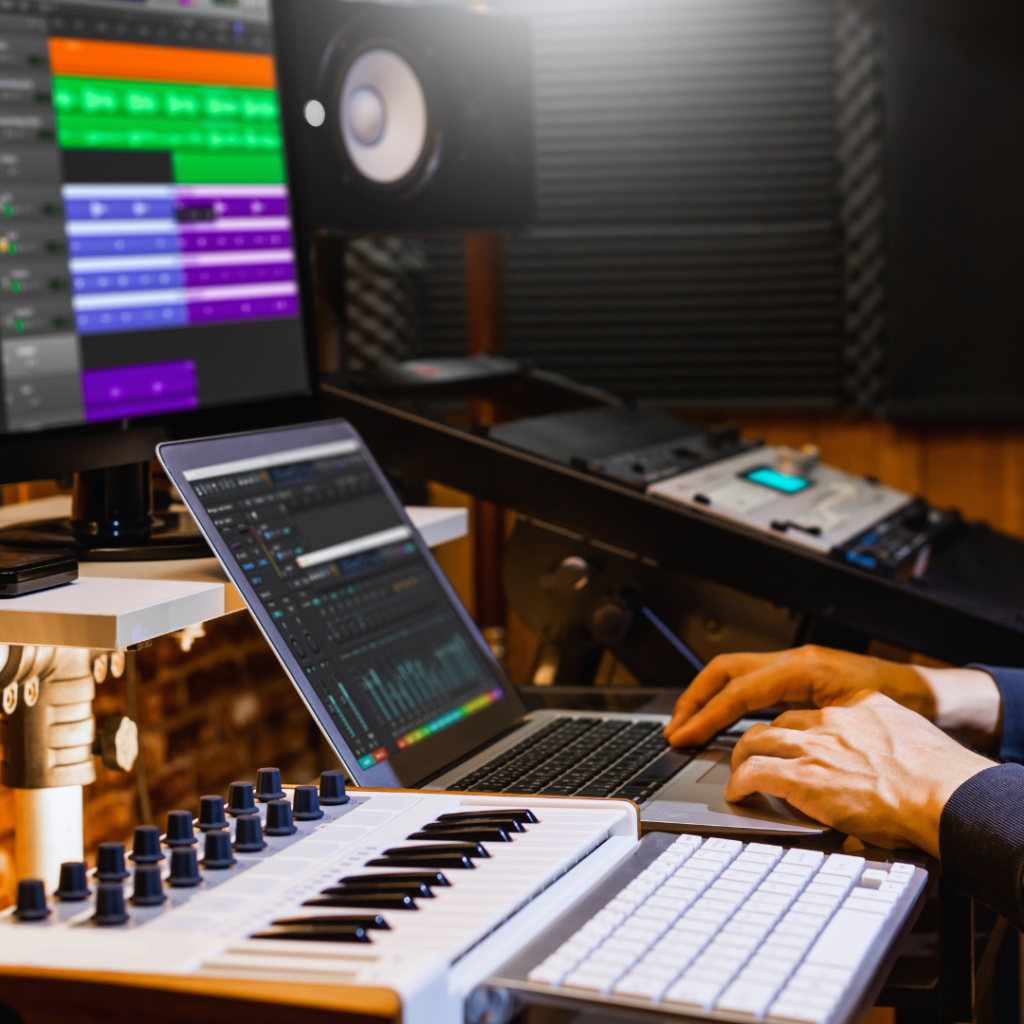
The Best Music Production Tools for Home Studios: Essential Gear for Every Aspiring Producer
For aspiring producers, setting up a home studio can feel overwhelming. The best music production tools for home studios combine affordability, versatility, and high-quality output. With advancements in technology, anyone can create professional-sounding music from the comfort of their own home.
From digital audio workstations (DAWs) to essential MIDI controllers, the right tools can significantly enhance workflow and creativity. It’s crucial to consider what fits best with individual production styles and needs. With careful selection, he or she can maximize their home studio potential and develop their craft effectively.
This article explores various tools that cater to different budgets and experience levels, ensuring that every producer finds something beneficial. By focusing on practical options, it aims to equip readers with the knowledge to make informed choices in their music production journey.
Essential Equipment for Home Studios
Setting up a home studio requires careful selection of essential equipment. Key components include the right computer, suitable microphones, and a reliable audio interface. Each piece plays a significant role in achieving high-quality recordings and production.
Choosing the Right Computer
A powerful computer is crucial for any home studio. It should have sufficient RAM (at least 16 GB is recommended) and a fast processor to handle demanding software.
For music production, look for computers that are optimized for audio work. MacBooks and PC desktops can both be effective, depending on personal preferences.
Consider storage options as well; SSDs provide faster load times for software and samples compared to traditional HDDs. A strong graphics card is less critical, but good overall performance significantly improves workflow.
Selecting Microphones
The choice of microphone can greatly affect recording quality. There are two main types: dynamic and condenser microphones.
Dynamic Microphones are durable and work well for loud sound sources, making them ideal for live performances or loud instruments. Examples include the Shure SM58 and SM57.
Condenser Microphones are sensitive and capture detail well, making them suitable for vocals and acoustic instruments. Popular models include the Audio-Technica AT2020 and the Rode NT1-A.
Consider purchasing a few different types to accommodate various recording situations, enhancing versatility in your home studio.
The Heart of Your Home Studio: Audio Interface
An audio interface acts as the bridge between instruments/microphones and the computer. It converts analog signals to digital, allowing for high-quality recordings.
Look for an interface with multiple inputs if planning to record several sources at once. Many models offer built-in preamps that enhance microphone performance.
Popular interfaces include the Focusrite Scarlett series and the Universal Audio Apollo series. Both deliver reliable audio quality and low latency, which is essential for real-time monitoring.
Portability can also be a factor, so consider a compact unit if frequent relocation is needed.
Software Essentials for Music Production
Choosing the right music production software is vital for any home studio setup. It encompasses selecting a Digital Audio Workstation (DAW) and incorporating additional software and plugins to enhance production capabilities.
Digital Audio Workstation Selection
A Digital Audio Workstation is the core software for music production. Popular choices include:
- Ableton Live: Known for its intuitive interface and strong capabilities for live performance and studio recording.
- Logic Pro: This software excels in MIDI composition and audio editing, ideal for Mac users seeking a comprehensive set of tools.
- Reason: Offers a unique rack-based approach to audio production, providing a wide range of instruments and effects.
Each DAW comes with its own set of features tailored to different production styles. Choosing the right DAW depends on the user’s workflow, preferred genre, and technical proficiency.
Additional Software and Plugins
Beyond the DAW, additional software and plugins are essential for enriching sound quality and expanding creative possibilities. Key types include:
- Virtual Instruments: Software synthesizers and samplers can create a variety of sounds. Examples include Native Instruments Kontakt and Serum.
- Effects Plugins: These enhance audio tracks. Common types are reverb, delay, and equalizers, with popular options like FabFilter Pro-Q and Valhalla Room.
- Mixing and Mastering Tools: Specialized software for mixing and mastering ensures professional sound quality. iZotope Ozone offers a suite of mastering features.
Using the right combination of plugins and software can significantly elevate the production quality in a home studio environment.
Acoustic Treatment and Monitoring
Effective acoustic treatment and monitoring are essential for achieving high-quality sound in a home studio. Proper tools help to improve sound clarity, reduce unwanted noise, and ensure balanced audio reproduction.
Studio Monitors and Headphones
Studio monitors are designed for accuracy, allowing artists to hear true sound without coloration. Unlike regular speakers, they provide a clearer representation of the mix. Popular options include:
- Yamaha HS Series
- KRK Rokit Series
- Focal Alpha Series
These monitors usually come with a frequency response and power range ideal for home studios.
Headphones also play a critical role, especially for tracking and mixing. Closed-back headphones aid in isolation, preventing sound leakage, while open-back options provide a more natural listening experience. Choices like:
- Audio-Technica ATH-M50x
- Beyerdynamic DT 770 Pro
are favored for their reliability and sound quality.
Implementing Acoustic Treatment
Acoustic treatment involves using materials to control sound reflection, absorption, and diffusion. Adding acoustic panels to the walls significantly reduces echoes and improves clarity.
Key elements to consider include:
- Bass Traps: Placed in corners to eliminate low-frequency buildup.
- Diffusers: Help distribute sound evenly throughout the room.
While soundproofing aims to block outside noise, acoustic treatment focuses on improving internal sound quality. It is crucial to strategically place these elements across the studio to create an optimal listening environment.
Enhancing Your Home Studio Setup
Creating an effective home studio requires careful attention to both essential accessories and the layout for different recording scenarios. By investing in the right hardware and optimizing the recording environment, one can significantly enhance the production quality.
Essential Accessories and Hardware
The proper accessories can transform a basic home studio into a professional-grade environment. Key items include:
- MIDI Controller: This device allows for intuitive control over virtual instruments and software. It enhances creativity and efficiency in music production.
- Microphone Stand: A sturdy stand secures a microphone in place, essential for vocal recording and instrument capture. Adjustable models provide flexibility.
- Pop Filter: This accessory reduces plosive sounds when recording vocals, resulting in cleaner audio. It is a must-have for any recording setup.
- Cables: High-quality cables ensure minimal signal loss. Investing in reliable cables avoids frustrating audio issues during recording sessions.
These items are fundamental to achieving high-quality recordings in a home studio.
Setting Up for Recording Different Instruments
Different instruments require tailored setups for optimal recording.
- Vocals: Position a microphone with a pop filter at eye level. Ensure the area is quiet and treated with sound-absorbing materials.
- Guitar: Use a direct input (DI) box or mic an amplifier. Experiment with placements to find the best sound.
- Drums: Utilize multiple microphones to capture different drum elements. Ensure proper mic placement to achieve a balanced sound.
Adapting the setup for each instrument type allows for capturing the best audio quality while maintaining control over the recording environment.